
Hot Keywords:
Views: 0 Author: Site Editor Publish Time: 2025-07-29 Origin: Site


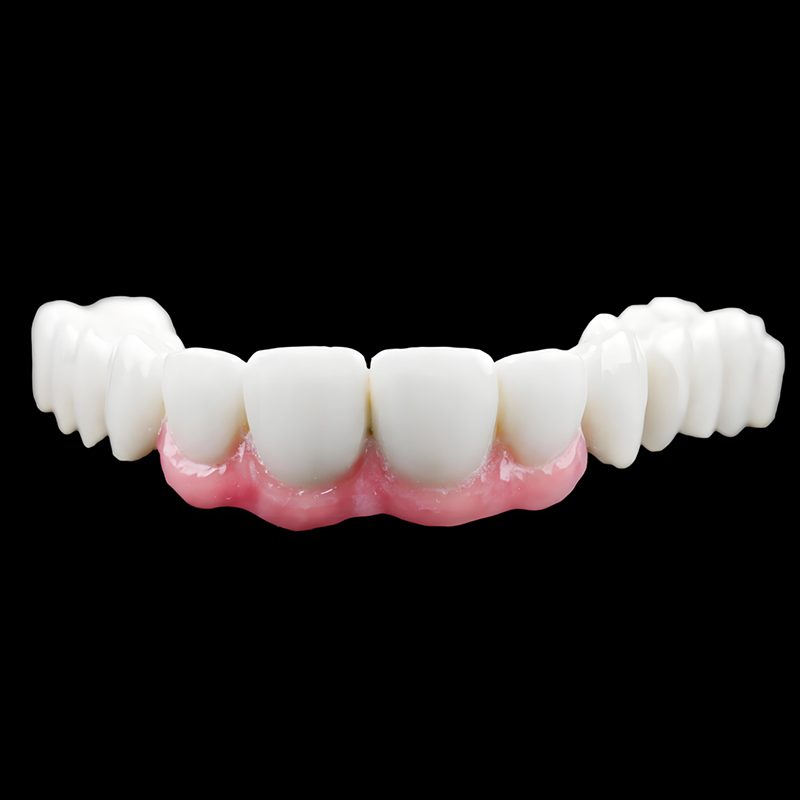
Key Considerations for Using PMMA in Partial Denture Bases
Polymethyl methacrylate (PMMA) is a widely used material for partial denture bases due to its biocompatibility, aesthetic appeal, and ease of processing. However, achieving optimal results requires attention to specific technical and clinical factors. Below are critical aspects to consider during fabrication and application.
The quality of PMMA resin directly impacts the durability and fit of the partial denture. Opt for dental-grade PMMA powders and liquids designed for prosthetic applications, as these undergo rigorous testing for safety and performance. When mixing, adhere strictly to the manufacturer’s instructions regarding powder-to-liquid ratios and curing times. Inconsistent mixing can lead to porosity, weakening the structure and compromising hygiene.
Proper storage of PMMA components is equally important. Keep the resin in a cool, dry environment away from direct sunlight to prevent premature polymerization. Exposure to heat or moisture may alter the material’s properties, leading to brittleness or discoloration over time. Additionally, always use clean, dedicated tools for handling PMMA to avoid contamination from other dental materials.
The success of a PMMA partial denture depends on accurate impression-taking and mold preparation. Use high-quality silicone or polyether impression materials to capture fine details of the oral anatomy, ensuring the denture base conforms precisely to the residual ridges and undercuts. Over- or under-extension of the base can cause discomfort or instability during function.
During the packing and curing stages, maintain consistent pressure to eliminate voids and achieve uniform density. Flasking errors, such as incomplete closure or uneven compression, may result in warping or internal stresses. After curing, allow the denture to cool slowly to room temperature before deflasking. Rapid cooling can induce shrinkage, leading to an ill-fitting base.
A smooth, polished surface is essential for minimizing plaque accumulation and enhancing patient comfort. Begin by trimming excess material with carbide burs or acrylic trimmers, ensuring the borders align seamlessly with the gingival margins. Avoid over-trimming, as this can reduce the base’s structural integrity.
Progress to fine-grit abrasives for initial smoothing, followed by polishing compounds to achieve a high-gloss finish. Use a low-speed handpiece with soft brushes or felt wheels to prevent heat generation, which could distort the PMMA. Regularly inspect the surface for rough patches or scratches, as these can harbor bacteria and irritate soft tissues.
Even with meticulous fabrication, partial dentures may require post-insertion adjustments. Patients often report pressure points or sore spots, particularly during the initial adaptation period. Use articulating paper to identify high-contact areas and relieve them with acrylic burs or discs. Encourage patients to return for follow-up appointments to address any discomfort promptly.
Educate patients on proper care routines to extend the lifespan of their PMMA dentures. Recommend daily cleaning with a soft-bristled brush and non-abrasive denture cleaner to prevent staining and material degradation. Advise against soaking in hot water or harsh chemicals, as these can weaken the PMMA and alter its color. Regular professional evaluations ensure the denture remains functional and hygienic.
By prioritizing material quality, precise processing, and thorough finishing, dental professionals can leverage PMMA’s advantages to create durable, aesthetically pleasing partial dentures. Attention to detail at each stage of fabrication and ongoing patient education further enhance clinical outcomes and patient satisfaction.


